The guide · Yoga and wellness · 5 min read
Ayurveda for travellers in Sri Lanka, a plain guide
Ayurveda for travellers in Sri Lanka, with what it is, the doshas in two paragraphs, what a visitor meets, how to choose a reputable place, and our drinks.
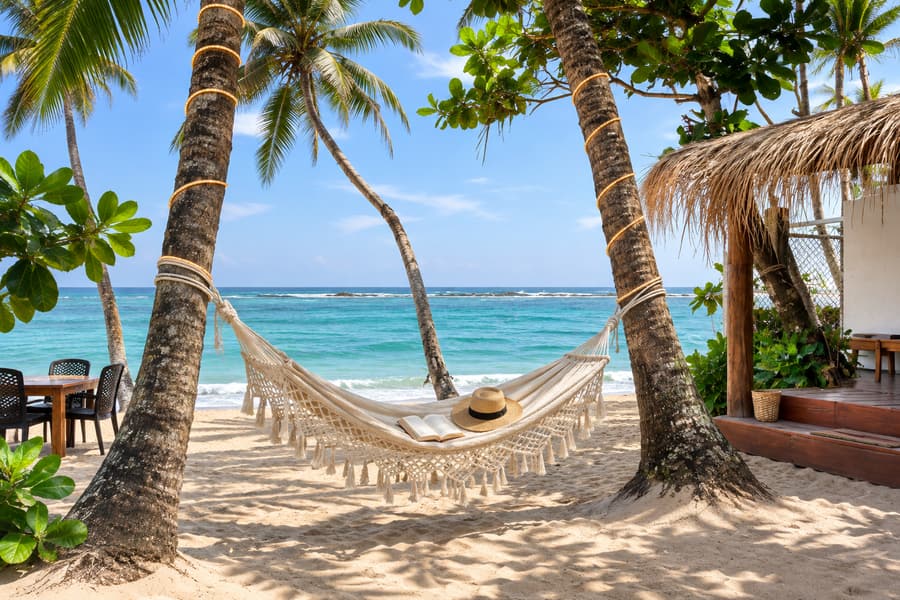
Ayurveda is the traditional medicine of the Indian subcontinent, and in Sri Lanka it is part of ordinary life, from the kitchen to registered doctors and hospitals. A visitor meets it as oil massages, herbal baths, longer programmes with a doctor, and herbs in food and drink, and it is worth choosing the place with some care.
What is Ayurveda?
Ayurveda is one of the world's oldest systems of medicine. It began in India and is based on ancient writings. It looks at the whole person, and it works mainly with plants, food, daily routine, movement and massage.
Sri Lanka has it in its own way. Beside Ayurveda from the mainland, the island has its own older healing tradition, often called Hela Wedakama, and the Siddha and Unani traditions too. These have been taught at college level in Colombo since 1929, and the country has a Department of Ayurveda and a council that registers practitioners.
A word on evidence, because it matters. The United States health agency NCCIH says that only a few well-designed studies suggest Ayurvedic approaches work, and for a small number of conditions. Tradition is not the same as proof. We tell you what the tradition says, and we do not claim more.
What are the doshas?
Ayurveda describes three forces in the body, called doshas. Vata is made of air and space, and stands for movement. It is dry, cold and light. Pitta is fire and water. It stands for heat and for digestion. Kapha is earth and water. It is heavy, cool, soft and slow, and it stands for structure. Everybody is said to carry all three, in a mix that is theirs from birth. That personal mix is called prakriti.
Health, in this view, is staying close to your own mix. Heat, food, overwork and the seasons push one dosha up, and the answer is the opposite quality: something cooling when pitta is high, something warm and oily when vata is. An Ayurvedic doctor asks many questions to judge this. Modern science has not found the doshas in the body, and even some Ayurvedic scholars treat them as a helpful way of thinking more than as a fact. It is fine to enjoy the idea as that.
What will a visitor meet?
- Treatments by the hour. The most common is a full-body massage with warm herbal oil. Another is a slow stream of warm oil poured over the forehead. There are herbal steam baths and herbal baths.
- Longer programmes. Ayurveda hotels and retreats offer stays of several days or more under a resident Ayurvedic doctor, who sees you first and plans the treatments. The classic long programme is called panchakarma, which the tradition describes as a cleansing. It is a serious undertaking, meant to be supervised by a doctor from start to end.
- Herbs in daily life. Sri Lankans drink herbal teas such as ranawara and beli flower, often with a piece of jaggery, and start the day with kola kanda, a green porridge of rice, coconut milk and the juice of leaves such as gotukola. King coconut water is everywhere in the heat.
- Shops and gardens. Along the tourist roads you will be offered oils, balms and powders. Read the next part before you buy.
How do you choose a reputable place?
- Ask who the doctor is. In Sri Lanka, Ayurveda practitioners are registered with the Ayurvedic Medical Council under the Ayurveda Act. A 2023 amendment to the Act also provides for the registration of Ayurveda massage therapists. A serious place will tell you gladly who is registered.
- Ask whether the place is registered for visitors. The Sri Lanka Tourism Development Authority registers spas, wellness centres and Ayurvedic health centres for tourists. Rules change, so check before you book.
- Expect questions before treatment. A good practitioner asks about your health, your medicines and whether you are pregnant, and listens to the answers.
- Be careful with things you swallow. NCCIH reports that some Ayurvedic preparations have been found to contain lead and mercury, and that some users had raised lead in their blood. Do not take powders or pills of unknown origin, and do not buy under pressure.
- Keep your own doctor. Do not stop a prescribed medicine or put off seeing a doctor because of an Ayurvedic treatment. If you are pregnant, breastfeeding or living with a condition, ask your doctor first.
- Walk away from big promises. Nobody honest promises to heal a serious illness in a week.
What are our Ayurvedic drinks?
We are a restaurant with a yoga shala, not a clinic. What we take from this tradition is in the glass. Massages on the beach are coming soon.
- The Ohana Ritual, 3,300 LKR. Three small shots on a wooden board, drunk from left to right. One is turmeric, ginger, black pepper and lemon. One is gotukola, moringa, king coconut water, lime and mint. The third is the sweet one.
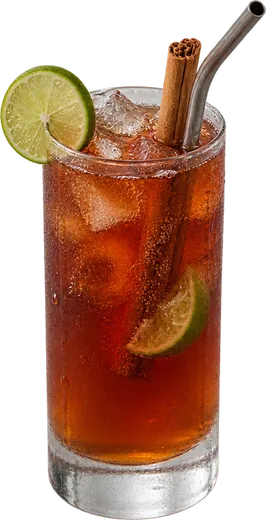
- Pitta Cooler, 2,400 LKR. Coriander and fennel seeds steeped in king coconut water, over ice with mint, lime and basil seeds. In Ayurveda, coriander, fennel and coconut are considered cooling.
- Ashwagandha Moon Milk, 2,400 LKR. Warm milk with ashwagandha root, turmeric, cardamom, cinnamon, black pepper and jaggery. In Ayurveda, ashwagandha is considered calming. It is not advised in pregnancy.
- Date & Almond Shake, 2,400 LKR. Dates, banana and almonds with cold milk, cardamom and cinnamon.
- Lemongrass & Ginger Iced Tea, 1,200 LKR, and the Gotukola Green Salad, 1,800 LKR, for the same plants in a simpler form.
These are drinks, not medicine. Each herb is described in Ayurvedic drinks explained. The practices that go well beside them, from yin to sound, are on the page of our shala for yoga and wellness in Dikwella, and the kinds of class are in vinyasa, hatha or yin.
Good to know
- The Ayurvedic elixirs are served all day, from 08:00 to 21:00.
- Prices are in LKR, plus a 10% service charge. Filtered water is on the house.
- No alcohol is served at Ohana.
- Tell us about any allergy. The full menu lists the allergens of every dish.
- We are at Turtle Beach, Dikwella, less than five minutes by road from Hiriketiya.