The guide · The island's pantry · 5 min read
Papadam explained, the crisp beside every curry
A papadam is a thin wafer of black gram flour, dried and then fried or roasted in seconds. What is in it, how it is cooked, and our Papadam Nachos.
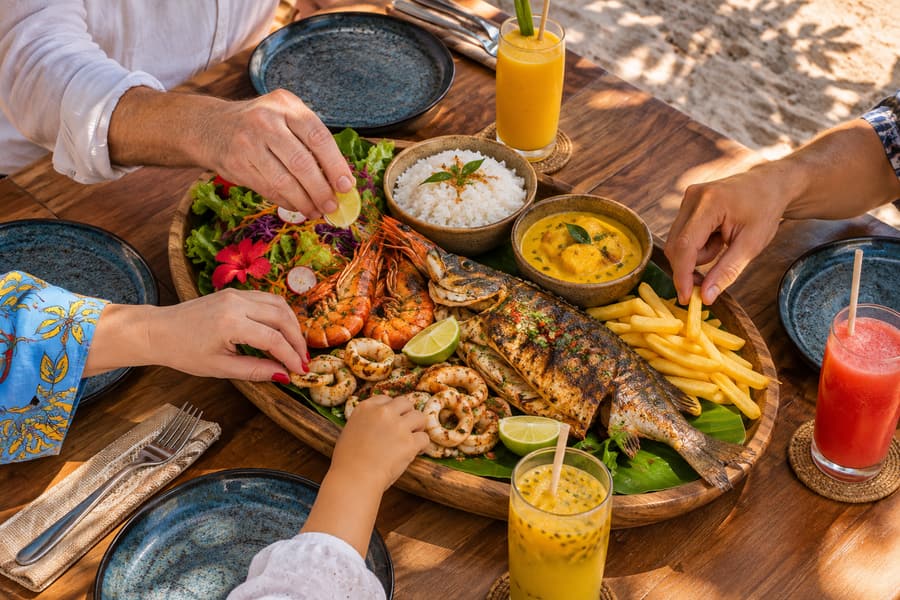
A papadam is a thin, round wafer made from the flour of black gram, a small bean, dried hard and then fried or roasted in a few seconds until it puffs and crackles. In Sri Lanka it sits beside rice and curry. At Ohana we break it into shards for our Papadam Nachos, 2,100 LKR, and send a basket of it with the seafood platters.
What is a papadam made of?
The classic dough is very short:
- Black gram flour. Black gram is a small bean, known as urad dal in India and ulundu in Sri Lanka.
- Salt, and a little oil.
- Often a seasoning: black pepper, cumin, chilli or garlic.
Other flours are used too, alone or mixed: rice, chickpea, lentil, tapioca. And many papadams sold in Sri Lanka also contain wheat flour. A papadam looks as if it should be free of gluten, and often it is not, so read the packet if that matters to you.
The word came into English from Tamil. You will see it spelled papadam, papadum, papad, poppadom and appalam. It is all the same family.
The work is done long before the kitchen. The dough is kneaded stiff, then flattened into rounds as thin as card. The rounds are dried, traditionally in the sun, until they are hard and brittle. A dried papadam is pale, flat and not much to look at. It keeps for a long time in its packet, waiting.
Everything that makes a papadam a pleasure happens in the last few seconds.
How is it cooked?
- Fried. The usual way in Sri Lanka. The disc is slipped into hot oil and held under for a moment. In two or three seconds it swells, blisters and turns pale gold. It is lifted out and drained.
- Roasted over a flame. No oil. The disc is held with tongs and turned over an open flame until it bubbles and takes a few dark spots. It tastes drier and a little smoky.
- Toasted, or in a microwave. The home shortcut, also without oil.
A cooked papadam has one enemy: damp air. By the sea it begins to soften within minutes. That is why it is fried at the last moment, and why our menu gives the same advice for the nachos: eat them before the sea air does.
How is it eaten in Sri Lanka?
With rice and curry, almost always. The papadam is the crunch on a plate where everything else is soft: rice, dhal, curries, a sambol. Many people break it over the rice and eat it mixed in.
In restaurants abroad it often arrives before the meal with chutneys and dips. Our nachos are a cousin of that habit.
How do we serve papadam?
- Papadam Nachos, 2,100 LKR. A starter to share. The papadams are fried until they puff and crackle, then broken into big shards for dipping into three things: our silky hummus, a smoky pineapple salsa and fork-crushed avocado. The salsa has green chilli in it, so the dish is marked spicy.
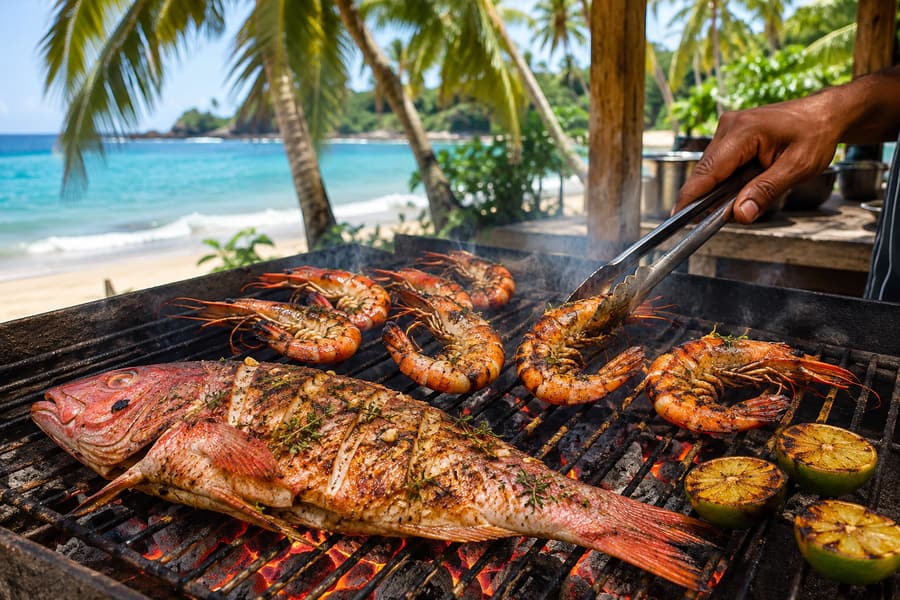
- The basket with the platters. The Ohana Seafood Platter, 18,900 LKR for two or three, and the Red Snapper for Two, 15,900 LKR, both come with a basket of papadam, beside the gotukola salad, the fries, the rice and the coconut curry gravy. Break a piece and take it through the gravy.
- Ceviche Limeño, 5,700 LKR. Mahi mahi cured to order in lime with red onion and chilli, with shrimps, cold sweet potato, corn and a papadam crisp.
- Tuna Poke Bowl, 4,500 LKR. Marinated raw tuna over warm rice with avocado, cucumber and pickled red onion, and a crunch of papadam on top. The vegan way, the Tempeh Poke Bowl, 4,200 LKR, has it too.
So the same wafer does three jobs here: a chip for dipping, bread for a sauce and a crisp on a bowl.
Is papadam gluten-free, vegan, spicy?
Three honest answers about ours:
- Gluten. Our menu lists gluten for the papadam we use. If you avoid gluten, it is not for you.
- The fryer. We have one fryer. Papadam is fried in the same oil as our fish, prawns and floured calamari, so it may carry traces of them. Tell us before you order if this matters to you.
- Heat. A plain papadam is not hot. What comes with it may be.
Every dish on the full menu lists its allergens.
What goes with it?
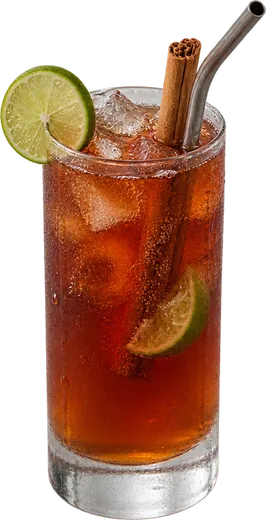
Something cold and sharp. A papadam is salty and fried, so it likes lime and bubbles: a Ceylon Cinnamon Iced Tea, 1,200 LKR, made sparkling, or an Iced Tea Jug, 3,600 LKR, for the table if you have ordered a platter.
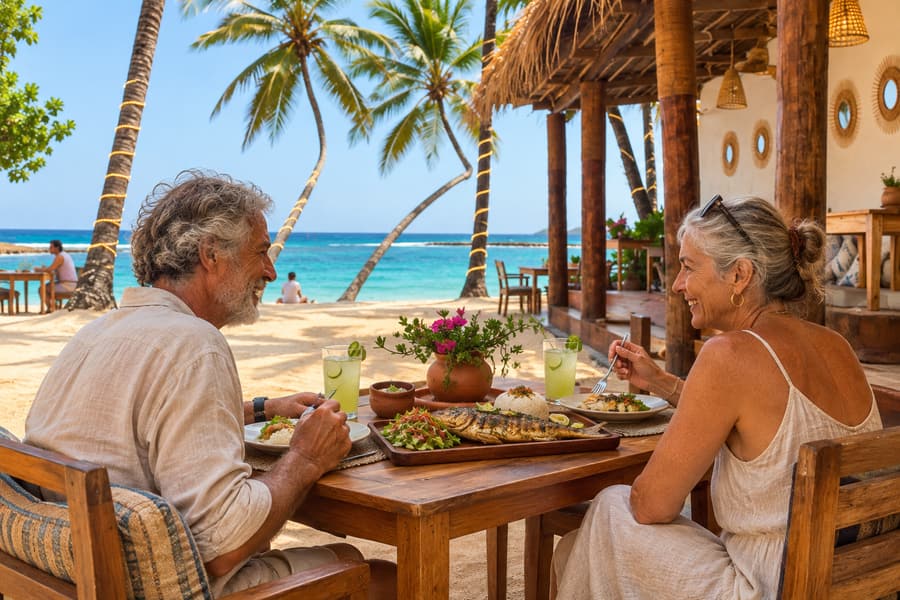
The curry that the papadam was born beside is explained in Sri Lankan spices, a short guide, and the leaf that perfumes it in curry leaf, or karapincha. To eat papadam with your feet in the sand, come to our restaurant on Turtle Beach, Dikwella, where what the island grows is how we cook.
Good to know
- Starters, bowls, mains and platters are served from 11:00 to 21:00, every day.
- The platters are made to share: the Ohana Seafood Platter is for two or three, the Red Snapper for Two is for two.
- Prices are in LKR, plus a 10% service charge. Filtered water is on the house.
- Our papadam contains gluten and is fried in a shared fryer.
- We are at Turtle Beach, Dikwella, less than five minutes by road from Hiriketiya.